Table of Contents
- Does Telehealth Therapy Actually Work for Anxiety?
- How a Virtual Therapy Session for Anxiety Works
- Online Therapy for Anxiety: What to Expect in Your First Appointment
- Telehealth vs. In-Person Therapy for Anxiety: When Each Works Best
- Privacy Tips for Telehealth Therapy: Protecting Your Mental Health Care
- How to Know If Your Telehealth Therapy Is Working
- When In-Person Care May Be Preferable
- Getting Started With Telehealth Therapy for Anxiety
- Frequently Asked Questions
Last Updated: October 12, 2026
Does Telehealth Therapy Actually Work for Anxiety?
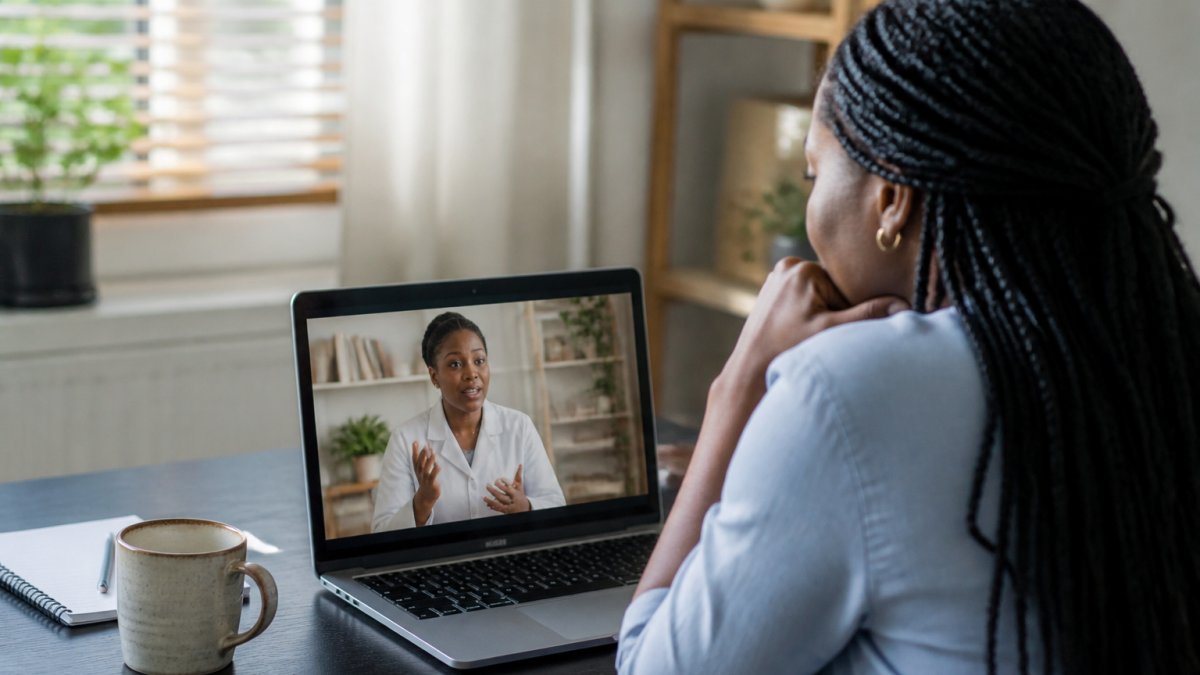
Does telehealth therapy work for anxiety? Yes, research and clinical practice consistently show that virtual therapy delivers real results. The key is understanding how it works, what to expect, and when it might be the right fit for you.
Many people worry that video sessions won't feel as "real" as sitting in an office. That concern makes sense. But anxiety treatment doesn't depend on location.
At Dynamic Mental Health Services LLC, we understand that telehealth therapy for anxiety can remove barriers. No commute. No time off work. No sitting in a waiting room.
The real question isn't whether telehealth works. It's whether the specific format matches your anxiety symptoms and your life. Some people thrive with it. Others need something different.
How a Virtual Therapy Session for Anxiety Works
Virtual therapy for anxiety uses the same evidence-based approaches as in-person treatment. Your therapist guides you through exercises, conversations, and strategies designed to reduce anxiety symptoms and teach you how to manage them long-term.
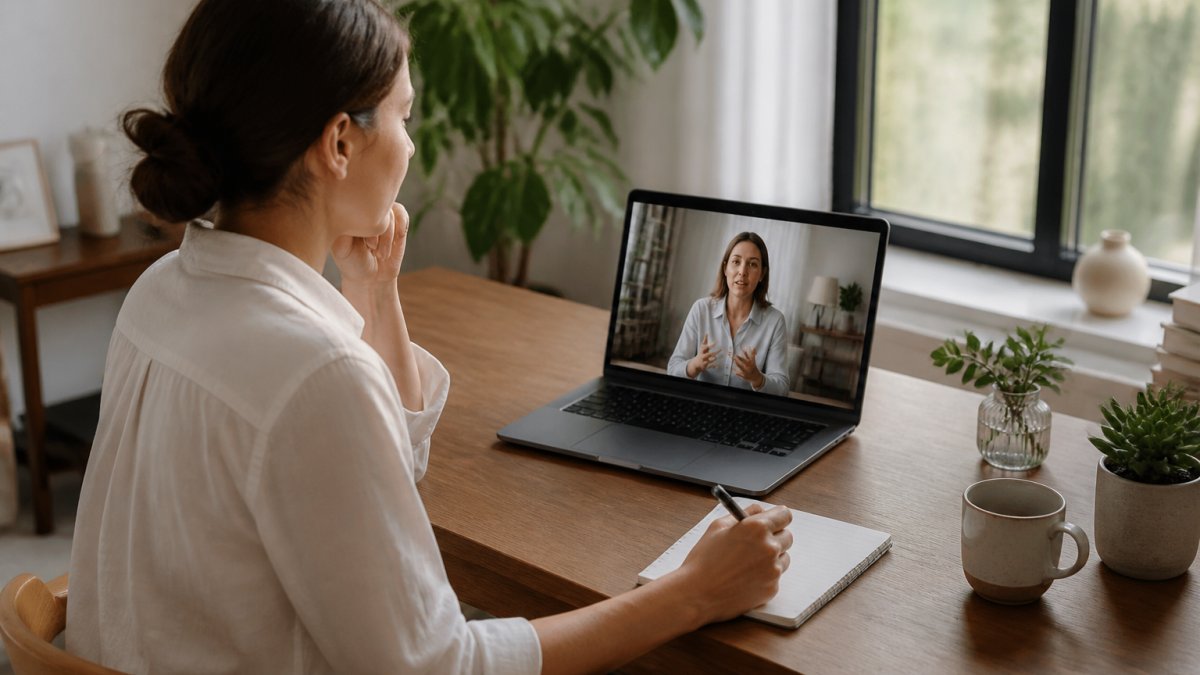
Here's what typically happens during a session:
- Your therapist asks about your week and any anxiety episodes you noticed
- You discuss what triggered the anxiety and how you responded
- Your therapist teaches you a specific skill or technique
- You practice the technique together or talk through how to use it at home
- You plan what to try before your next appointment
The most common approaches for anxiety include cognitive behavioral therapy (CBT), exposure therapy, and somatic work. Each one helps you identify patterns, challenge anxious thoughts, or manage the physical symptoms of anxiety.
The format matters less than the skill of your therapist and your willingness to engage. Telehealth therapy for anxiety removes the commute and the time pressure, which actually helps many people focus better on the work.
Online Therapy for Anxiety: What to Expect in Your First Appointment
Your first session sets the tone for everything that follows. Knowing what to expect helps you walk in prepared and calm.
Before Your First Session
Prepare yourself the day before:
- Test your technology. Open the video platform your therapist uses and check your camera, microphone, and internet connection.
- Choose your space. Find a quiet room where you won't be interrupted. Close other browser tabs and silence your phone.
- Write down what you want to cover. List your main anxiety symptoms, when they started, and what you hope to get from therapy. You don't need to memorize this, just having it written down helps you remember.
- Know what documents you might need. Have your insurance card nearby in case there are billing questions. Some providers ask for basic health history.
- Plan for 15 minutes early. Log in a few minutes before your appointment so you're not rushed.
During the Appointment
Your therapist will start by building rapport. They're not looking for a perfect first impression. They're listening for what matters to you.
Expect questions like:
- What brings you in today?
- How long have you been dealing with anxiety?
- What does anxiety feel like for you? (physical symptoms, thoughts, behaviors)
- What have you already tried?
- What would better look like?
This is also when your therapist explains how they work, what you can expect from therapy, and how often you should meet. Many people with anxiety benefit from weekly sessions, though that depends on your symptoms and your situation.
Be honest. Your therapist has heard it all. The more specific you are about your anxiety symptoms and your life, the better they can help. Vague answers like "I'm stressed" don't give them enough to work with.
After Your Session
You'll likely feel tired. Therapy is emotional work. That's normal.
Your therapist will probably give you something to practice before the next session. This might be a breathing exercise, a journaling prompt, or a way to track when your anxiety shows up. These assignments matter. The real work happens between sessions, not during them.
Write down any notes about what resonated with you. Your memory of the session will fade, but these notes remind you of the insights you had.
Telehealth vs. In-Person Therapy for Anxiety: When Each Works Best
Both formats work for anxiety. The difference is usually about what fits your life and your personality.
Telehealth therapy for anxiety works best when:
- You have a busy schedule and commute time is a barrier
- You live in an area with few mental health providers
- You prefer the privacy of your own space
- You have physical limitations that make travel hard
- You feel more relaxed and open in your own environment
- You want flexibility in scheduling
In-person therapy works best when:
- You have severe anxiety that includes panic attacks or dissociation
- You need crisis support and want immediate access to your therapist
- You find it hard to focus without the structure of a physical office
- You benefit from the ritual of leaving your house and going somewhere
- You have complex trauma that requires deeper grounding techniques
- You're not comfortable with technology or video calls
Many people start with telehealth and stay with it. Others try it and realize they need in-person support. Some use both: regular virtual sessions with occasional in-person appointments for intensive work.
The format isn't what heals anxiety. The relationship with your therapist, the evidence-based treatment you're getting, and your commitment to practicing the skills, those are what matter. At Dynamic Mental Health Services LLC, we recognize that many patients may find telehealth beneficial because they're less anxious about the appointment itself.
Privacy Tips for Telehealth Therapy: Protecting Your Mental Health Care
Privacy is one of the biggest concerns people have about telehealth therapy for anxiety. You're talking about personal struggles on a video call. That deserves protection.
Setting Up a Safe, Private Space
Your physical space matters for both privacy and your ability to focus.
- Use a room with a door you can lock or close
- Position your camera so people walking by can't see your therapist on screen
- Mute notifications on your computer and phone
- Tell people in your home that you need uninterrupted time
- Use headphones so only you hear the conversation
- Make sure your background is something you're comfortable with (a blank wall is fine)
If you live with others, have a conversation beforehand. Explain that you need privacy during your sessions and ask them to respect that time. Most people understand.
Understanding Confidentiality and Data Security
Your therapist is legally required to keep your information confidential. There are narrow exceptions: if you're a danger to yourself or others, if you're abusing a child, or if a court orders disclosure. Otherwise, what you say stays between you and your therapist.
The platform your therapist uses should be HIPAA-compliant, which means it meets federal privacy standards for health information. Ask your provider which platform they use and confirm it's secure. Most reputable telehealth services use encrypted video connections.
Your therapist can't share your information with your employer, your family, or your friends without your written permission. That protection is the same whether you're in an office or on video.
How to Know If Your Telehealth Therapy Is Working
Progress in therapy isn't always obvious. You might not feel dramatically different week to week. But over time, real changes happen.
Track these signs that does telehealth therapy work for anxiety by monitoring:
- Your anxiety episodes happen less often
- When anxiety does show up, it's less intense
- You recover faster after an anxious moment
- You notice anxious thoughts but don't believe them as much
- You're trying new things you used to avoid
- You sleep better
- Your relationships feel easier
- You feel more in control
Some of these changes are internal and only you notice. Others are visible to people around you. Both count.
Ask your therapist directly: "How do you think I'm progressing?" They can give you feedback on what they're observing. Many therapists use formal measures, simple questionnaires you fill out every few sessions, to track your anxiety levels over time.
If you're not seeing progress after 8-10 sessions, say something. Maybe you need a different approach. Maybe the fit isn't right. Maybe you need to adjust your medication alongside therapy.
When In-Person Care May Be Preferable
Telehealth therapy for anxiety is effective for most people. But some situations call for in-person support.
You might benefit from in-person therapy if:
- Your anxiety is severe and you're having panic attacks multiple times a week
- You have thoughts of harming yourself and need more intensive support
- You're struggling to engage with telehealth and need the structure of an office
- You have a history of trauma and need somatic work that feels safer in person
- You need medication management alongside therapy and want to see your provider face-to-face
- You're not comfortable with technology or video calls
Severity matters here. Mild to moderate anxiety usually responds well to telehealth. Severe anxiety sometimes needs more intensive support, which might include in-person appointments, more frequent sessions, or medication evaluation.
There's no shame in needing in-person care. It's not a failure of telehealth. It's recognizing what you need and getting it.
Getting Started With Telehealth Therapy for Anxiety
If telehealth therapy for anxiety sounds right for you, here's how to move forward.
Step 1: Decide what you want to work on. Be specific. "I want to feel less anxious" is too broad.
Step 2: Find a provider. Look for someone licensed in your state who specializes in anxiety.
Step 3: Check your insurance. Many insurance plans cover telehealth therapy at the same rate as in-person therapy.
Step 4: Schedule your first session. Most providers offer same-week or next-week appointments. Don't wait months.
At Dynamic Mental Health Services LLC, we specialize in anxiety treatment through telehealth.
Anxiety doesn't have to control your life.
American Psychiatric Association guidelines on telehealth for mental health
National Institute of Mental Health resources on anxiety disorders and treatment
Frequently Asked Questions
Is online therapy as effective as in-person therapy for anxiety?
Research shows that telehealth therapy produces comparable treatment outcomes to in-person care for anxiety disorders. The therapeutic relationship and evidence-based techniques, such as cognitive behavioral therapy (CBT) and exposure therapy, work effectively through video sessions. Success depends more on finding the right therapist and committing to treatment than the delivery format. Some people actually prefer the comfort of their home environment, which can reduce initial anxiety about attending appointments.
What happens during a virtual therapy session for anxiety?
A typical virtual therapy session follows the same structure as in-person appointments. Your therapist will assess your anxiety symptoms, discuss triggers and patterns, and work with you on coping strategies or behavioral techniques. Sessions usually last 45-60 minutes and may include breathing exercises, cognitive work, or exposure-based activities you can practice at home. Your therapist may also recommend homework between sessions to reinforce progress and build long-term anxiety management skills.
How do I know if my telehealth therapy is working for anxiety?
Track changes over 4-6 weeks: Are you noticing fewer panic attacks or less frequent anxious thoughts? Do stressful situations feel more manageable? Are you sleeping better or engaging in activities you avoided before? Share these observations with your therapist, who may use formal symptom rating scales to measure progress. If you're not seeing improvement after 6-8 weeks, discuss adjusting your treatment approach, therapy technique, or medication management with your provider.
Can anxiety medication be prescribed through telehealth?
Yes. A board-certified psychiatric nurse practitioner or psychiatrist can evaluate your anxiety symptoms, provide a diagnosis, and prescribe medication through telehealth. The initial appointment typically includes a detailed history and assessment to determine if medication is appropriate and which type may help. Follow-up appointments monitor your response to the medication, manage side effects, and adjust dosages as needed. Insurance coverage and medication access depend on your plan and state regulations.